
The Loft and the Search for a Home
If Beale Street Could TalkThis thread follows Tish and Fonny’s effort to find a place where their relationship and Fonny’s craft can grow, while racial discrimination repeatedly constrains their search.
increasing Bearing strength in each event
 decreasing
Bearing strength in each eventdecreasingA Life Beyond the Projects

Imagining a Different Home
Leaving the Project Behind
Tish and Fonny consider an East Village loft because Fonny needs room to work on sculpture and both want a fresh start away from the crowded housing projects and familiar hardships of Harlem. Their plan is not just about comfort; it is an attempt to create a home for a life they intend to build together.
Poverty Limits the Choice
The couple knows they cannot afford conventional housing, while the places they can imagine occupying are often neglected or unsafe. Their search begins with hope but is shaped by the economic limits that define which neighborhoods and homes are available to them.
Repeated Rejections

Housing Doors Close
A Pattern of Exclusion
Fonny explains that empty lofts are easy to find, but landlords often refuse to rent to Black tenants. He describes one owner who appeared to promise a place to Tish alone, then invented a story about relatives arriving from Romania when Fonny joined her.
Discrimination Shapes the Search
The excuse turns a domestic search into a confrontation with racial exclusion. Fonny realizes that the landlord would rather lose a tenant than rent to a Black couple, and the repeated refusals make the prospect of starting a household feel dependent on the whims of people who can deny them housing without consequence.
Levy Offers the Loft

A Landlord Makes Room
Recognition Rather Than Suspicion
Levy, a landlord from the Bronx, welcomes the couple and responds to their affection with warmth rather than suspicion. He agrees to rent them a spacious loft near Canal Street and requires only one month’s advance rent.
A Home for Work and Family
The loft offers room for Fonny to work and for the couple to imagine a shared future. Levy’s friendliness makes the apartment feel like more than a transaction: he hopes they will have children and treats their plans as worth supporting.
An Unsafe Refuge
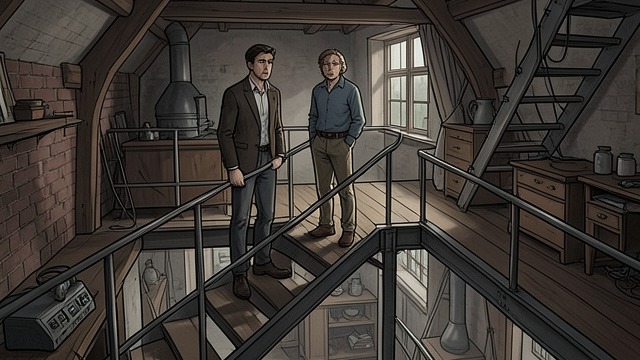
Hope with a Hidden Hazard
Fire Escape Questions
Fonny asks what they would do in a fire. Levy shows them the roof, the narrow catwalk, and the metal stairs leading into the courtyard, a route that may still leave residents trapped if the building burns.
A Compromised Promise
The apartment is an opportunity, but not a secure refuge. The couple accepts the possibility of danger because the loft gives them space and independence otherwise denied by the housing market. The fire hazard foreshadows how their search for a home takes place within conditions poorer tenants cannot simply choose away.
The Loft Held in Trust
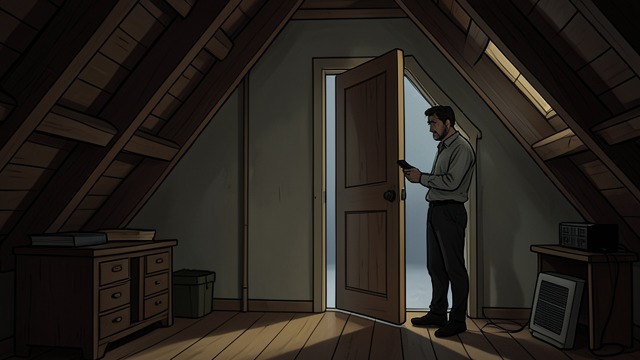
A Home Kept for Them
Rent Returned, Door Left Open
After Fonny is arrested, Levy calls Tish and offers to return the money whenever she needs it. He also says he will not rent the loft to anyone else while Fonny remains imprisoned.
An Interrupted Future
Levy’s gesture cannot free Fonny or restore the couple’s plans, but it preserves a tangible place for the life they hoped to share. The empty loft becomes a promise held open by a stranger’s kindness, set against the discriminatory refusals that made finding it so difficult.
Before Fonny’s arrest, as Tish becomes pregnant
During the months when the couple searches for a loft
The day Tish and Fonny finally find a suitable place
During the loft inspection on the day it is offered
After Fonny’s arrest, before the child is born
